
Exploring Unique Creations in Single Jersey Knitting with Synthetic Yarns
Knitting single jersey fabrics with synthetic yarns opens a world of possibilities for textile enthusiasts and manufacturers alike. This versatile structure, combined with the durability and flexibility of synthetic fibers, allows you to create fabrics that meet specific needs in fashion, sportswear, and technical textiles. If you want to understand how different types of single jersey structures can be crafted using synthetic yarns, this guide will walk you through the essentials, techniques, and practical examples.
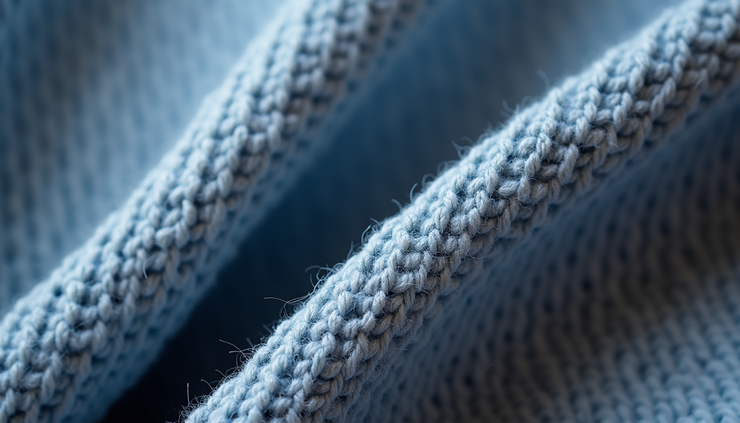
Understanding Single Jersey Knitting and Synthetic Yarns
Single jersey is one of the most common knitted fabric structures. It is created by knitting all loops on one side of the fabric, resulting in a smooth face and a textured back. This structure is lightweight, breathable, and has a natural stretch, making it ideal for many applications.
Synthetic yarns such as polyester, nylon, and acrylic are man-made fibers known for their strength, elasticity, and resistance to moisture and chemicals. When combined with single jersey knitting, these yarns enhance the fabric’s performance, durability, and appearance.
Why Choose Synthetic Yarns for Single Jersey?
Durability: Synthetic fibers resist wear and tear better than many natural fibers.
Elasticity: They provide excellent stretch recovery, which is crucial for activewear.
Moisture Management: Many synthetic yarns wick moisture away from the skin.
Color Retention: Synthetic fibers hold dyes well, resulting in vibrant, long-lasting colors.
Cost-Effectiveness: Often more affordable than natural fibers, synthetic yarns allow for large-scale production.
Types of Single Jersey Structures Using Synthetic Yarns
Single jersey fabrics can vary widely depending on the knitting technique and yarn type. Here are some common variations you can explore:
1. Basic Single Jersey
This is the standard single jersey fabric, knitted with synthetic yarns like polyester or nylon. It has a smooth front and a slightly rough back. It is lightweight and breathable, suitable for T-shirts, linings, and casual wear.
2. Compact Single Jersey
Compact knitting uses a tighter stitch formation, resulting in a denser fabric with less pilling and better dimensional stability. Using synthetic yarns here enhances the fabric’s strength and smoothness, making it ideal for sportswear and uniforms.
3. Slub Single Jersey
Slub yarns have intentional thick and thin sections, creating a textured effect. When knitted into single jersey, this adds visual interest and a tactile feel. Synthetic slub yarns can mimic natural fibers while offering better durability.
4. Stretch Single Jersey
By blending synthetic yarns with elastane or spandex, you can create single jersey fabrics with enhanced stretch and recovery. This is essential for activewear, leggings, and fitted garments.
Techniques for Knitting Single Jersey with Synthetic Yarns
Knitting synthetic yarns requires some adjustments compared to natural fibers. Here are key techniques to keep in mind:
Yarn Tension Control
Synthetic yarns can be slippery, so maintaining consistent tension is crucial to avoid uneven stitches or dropped loops. Use tension devices or adjust machine settings accordingly.
Needle Selection
Choose needles compatible with synthetic yarns to prevent snagging or damage. Fine gauge needles work well for lightweight synthetic yarns, while medium gauge suits thicker yarns.
Stitch Variation
Experiment with stitch length and density to control fabric weight and stretch. Shorter stitch lengths create denser fabrics, while longer stitches increase elasticity.
Blending Yarns
Combining synthetic yarns with natural fibers or different synthetics can create unique textures and performance characteristics. For example, polyester blended with cotton improves moisture management while maintaining softness.
Practical Applications and Examples
Sportswear and Activewear
Single jersey fabrics made from polyester and elastane blends are widely used in sportswear. Their moisture-wicking properties and stretch make them comfortable for running, yoga, and gym wear.
Fashion and Casual Wear
Lightweight single jersey fabrics with nylon or acrylic yarns provide a smooth drape and vibrant colors, perfect for everyday T-shirts, dresses, and layering pieces.
Technical Textiles
Synthetic single jersey fabrics can be engineered for specific functions such as UV protection, antimicrobial properties, or flame resistance. These are used in uniforms, medical textiles, and outdoor gear.
Home Textiles
Single jersey fabrics with synthetic yarns are also used in home textiles like pillow covers and lightweight blankets, offering durability and easy care.
Tips for Working with Synthetic Yarns in Single Jersey Knitting
Pre-wash yarns to remove any manufacturing residues that might affect dyeing or knitting.
Use lubricants or conditioners if the yarn is too slippery to improve handling.
Test knit samples to find the best machine settings and stitch lengths.
Monitor fabric tension during knitting to avoid distortion.
Consider post-treatment processes like heat setting to stabilize the fabric and enhance performance.
Challenges and Solutions
Pilling
Synthetic yarns can pill more than natural fibers. Using compact knitting and higher-quality yarns reduces this issue.
Heat Sensitivity
Some synthetic fibers melt or deform under high heat. Avoid excessive ironing and use heat-setting techniques during finishing.
Environmental Concerns
Synthetic yarns are less biodegradable. Consider recycled synthetic yarns or blends to reduce environmental impact.

Comments